
What is Goatskin Leather? Types, Quality, Durability and More

What is Goatskin Leather? Types, Quality, Durability and More
Most people think all type of leather feels the same until they try goatskin leather. The difference is instant. It is softer than you expect, lighter on the body, yet strong enough to handle everyday wear without falling apart.
Goatskin leather comes from goat hide and is known for its natural flexibility, fine grain texture, and long-lasting durability. It sits right in the middle of comfort and strength, which makes it a favorite for leather jackets, gloves, bags, and premium accessories.
In this guide, you will learn what goatskin leather really is, how durable it is, the different types available, and when it makes more sense than other leather options.
1. What is Goatskin Leather?

Goatskin leather is a type of real leather made from goat hide. It is known for being soft, lightweight, and naturally durable. Thanks to its tight grain and flexibility, it resists wear while staying comfortable, making it a popular choice for jackets, gloves, bags, and everyday leather goods.
2. Is Goatskin Leather Good?
Yes, goatskin leather is a great choice if you want a balance of comfort and durability. It is softer and lighter than cowhide, yet still strong enough for daily use. That makes it ideal for jackets, gloves, and accessories you wear often.
One of its biggest advantages is flexibility. Goatskin moves easily with your body, so it feels comfortable from the first wear. It also has a natural grain that helps resist scuffs better than many softer leathers like lambskin.
From real use, goatskin holds up well over time without feeling heavy or stiff. If you want leather that looks good, feels light, and lasts without high maintenance, goatskin is a smart pick.
3. What Makes Goatskin Leather a Smart Choice?
Goatskin leather stands out for one simple reason. It gives you comfort and durability in the same piece. If you want leather that feels soft but still holds up with daily use, goatskin hits that balance better than most options.
One of its biggest strengths is its natural grain. Goatskin has a tight, slightly pebbled texture that helps resist scuffs and wear. It is also lightweight and flexible, so it feels easy to wear from day one. Unlike heavier leathers, it does not feel stiff or bulky, which makes it perfect for jackets, gloves, bags, and small accessories.
Another reason people choose goatskin leather today is practicality. It is more affordable than premium leathers like full-grain cowhide but still offers solid durability. It is also easier to maintain, as its natural oils help prevent drying and cracking over time. While it is not fully waterproof, it handles light moisture better than many softer leathers.
You will often hear goatskin called Moroccan leather, a name that comes from its historical roots in Morocco. Today, it is used worldwide in fashion, footwear, and accessories because it delivers a clean look, long wear life, and everyday comfort without the heavy feel of traditional leather.
4. The Qualities of Goatskin Leather

4.1 Soft and Flexible
The soft texture and flexibility of goatskin leather make it a favorite. The products created of goatskin are not stiff like those made of other animal skins, including cowhide. When you carry a goatskin leather wallet, it feels like you're wearing it since the leather is so soft and flexible because of the lanolin present in the goat's skin. Your movements will cause it to move.
4.2 Strong and Hard-wearing
Goatskin leather is known for its strength yet being supple. Due to its exceptional quality, it can be utilize to create small leather goods like belts, bags, and shoes. Due to its durability, it is also excellent for creating lightweight high-heeled shoes because it can withstand high stitching tension and maintain its shape.
4.3 Water-Resistant
Because it is tanned using a vegetable tanning process, goatskin leather is water-resistant. This considerably improves the leather's durability and resilience.
4.4 Durable
Leather made from goats is renowned for its sturdiness. It features a finish that is exceptionally tough in comparison to other leathers, which helps with its long-term durability.
4.5 Lightweight
Goatskin has been shown to be much thinner than other animal hides, according to manufacturers. Because of this, the leather created from it is exceedingly light. When transformed into practical products, this allows for comfortable use.
4.6 Better With Age
Aside from being extremely durable, goat leather products not only feel better with age - but also look better. Even when they have scratches, they end up appearing more lovely.
5. Two Methods are Often Used for Tanning Goatskin

The raw hides are initially cleaned. This can be done by shaving off the skin's extra flesh and hair. Following this procedure, the hide is clean to remove extra oil, fat, and tissue to prepare it for tanning. The real process of turning the hide into leather is tanning. It transforms the rawhide into leather, stabilizes the protein, and prevents the protein from degrading. The leather cannot be use until the tanning process is complete.
There are two methods that are frequently used to tan goat leather:
5.1 Chemical tanning
During the chemical tanning procedure known as chrome tanning, the leather is submerged in a solution containing metallic chromium. Numerous products made of goat leather use this tanning method because it makes the leather more water-resistant. Another benefit is the leather's extreme softness and suppleness. Chrome-tanned hides also frequently cost less than vegetable-tanned ones because the process just takes a day or two.
Read More: What is Chrome-Tanned Leather? - Its History, Process, and More
5.2 Vegetable tanning
Vegetable tanning is another traditional technique for tanning leather that makes use of renewable resources. This method makes use of fatty alcohols and vegetable tannins rather than soaking the hides in a chemical solution. This procedure takes a long time because it involves a lot of soaking. The production of vegetable-tanned leather might take up to 30 days. It is therefore typically on the higher side.
Read More: What is Vegetable Tanned Leather? - It's Origins, Process, and Expert Care Tips
6. Types Of Goatskin Leather

6.1 Goatskin With Hair
A type of leather when the hair is still to the skin is known as goatskin leather with hair. The hairy skin is treated as a whole. Typically, this kind of leather is use to make rustic or organic-looking products like purses, carpets, and boots.
6.2 Goatskin Suede
The backside of the goatskin is put to use to make the leather known as "goat suede." It resembles other varieties of suede leather in texture since it is smooth and velvety. Jackets, skirts, and leather pants are frequently made from goat suede.
6.3 Saffian Leather
Premium goatskin leather with a particular grain pattern is called saffian leather. It was first created in the Moroccan city of Safi, hence its name. Saffian leather often has a color on one side and an eye-catching pattern embossed onto it.
7. What is Goatskin Leather Used For?
Goatskin leather can be used to produce goods that require soft yet hard-wearing leather. Below are the most common uses.
7.1 Goatskin Leather Jackets
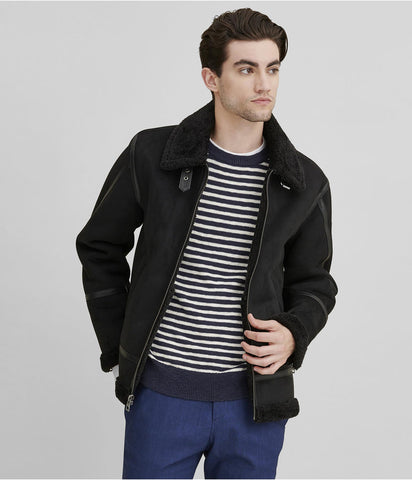
Goatskin leather jackets are exceptionally strong and can last a lifetime. Due to the softness and lightness of the leather, they are also incredibly comfortable.
7.2 Goatskin Leather Shoes

The uppers of shoes frequently contain goatskin leather. It may fit into a variety of shoe designs, including formal shoes and fine men's shoes. It is also frequently use for high-heeled shoes for women.
7.3 Goatskin Leather Gloves

Given its flexibility and stretchability, goatskin leather is an ideal material for gloves. Additionally, because it is affordable, it uses to make low-cost gloves. The substance enables the dexterity required for tasks.
7.4 Goatskin Leather Boots

Goatskin boots are available in many different designs. These boots are popular because they are comfy and flexible. The permeable material also enables the wearer's feet to breathe easily. Since it is easy to work with and the skin can be color a variety of colors, goatskin leather is a favorite among boot makers.
7.5 Goatskin Leather Bags

Bags made of goatskin leather are excellent. Its versatility in numerous shapes and softness make it a favorite among bag manufacturers. Goat leather bags' main benefit for a consumer is its longevity. Bags made of leather typically endure a very long time for the relatively low cost of the material.
7.6 Goatskin Leather Wallets

Goatskin leather wallets are excellent. The flap can last a lifetime because of its durable nature, which makes it resistant to wearing out.
8. Advantages and Disadvantages of Goatskin Leather
Despite the parallels made above between goatskin and other forms of leather, there are still benefits and drawbacks to using goatskin:
- Moisture can be absorbed by goatskin.
- Goatskin leather will keep you cool in hot weather.
- Goatskin leather will keep you warm during chilly weather.
- Why? since it can alter depending on the weather.
- You can split and shave goatskin.
- Compared to other types of leather, goatskin is more reasonably priced.
9. How is Goatskin Leather Compared to Other Leather Types

It is only natural for individuals to be a little perplexed about which type of leather is the better choice given the variety of leathers that are available. This is especially accurate when using goatskin leather as a comparison. We've compared goatskin with some of the most popular leathers to see which would be the best choice for further clarification.
9.1 Goatskin Leather Vs. Cowhide Leather
Compared to cowhide leather, goatskin leather is more flexible, supple, and stretchable. However, cowhide leather exceeds goatskin in terms of strength. Cowhide leather is superior for insulation and handles heavyweight better. In conclusion, cowhide leather is ideal for sturdy things whereas goat leather works well for small leather goods.
9.2 Goatskin Leather Vs. Lambskin Leather
Lambskin leather is even softer than goatskin leather. Therefore, it can be a preferable choice for products that call for extremely soft and supple leather. Goatskin, however, performs better for applications that need strength and insulation. Goatskin is more durable and heavy-duty. Which of the two leather varieties tops the list for flexibility is difficult to determine. Both have comparable levels of flexibility.
9.3 Goatskin Leather Vs. Sheepskin Leather
One of the few types of leather that is softer than goatskin leather is sheepskin leather. Compared to goatskin, it is far more flexible and supple. Goat leather, on the other hand, is more durable and robust than sheepskin leather. It is regards as more durable and weighs more.
9.4 Goatskin Leather vs. Calfskin Leather
Goatskin stams are incredibly soft and smooth. Calfskin is thicker, more heavily pebbled, and capable of holding its shape. With repeated use, either leather could get increasingly worn out. according to endurance.
The differences most likely relate to how they appear. Given that it typically costs more, people believe that goatskin is superior to calfskin. The type of leather is not the sole factor at play in all the other phrases.
| Feature | Goatskin | Cowhide | Lambskin | Sheepskin | Calfskin |
| Softness | Soft | Medium | Very soft | Very soft | soft |
| Durability | High | Very high | Medium | Low | Medium |
| Weight | Light | Heavy | Very light | light | Medium |
| Flexibility | High | High | High | Very High | Medium |
| Best Use | Jackets, gloves, bags | Heavy-duty gear | Fashion jackets | Winter wear | Luxury items |
10. Goatskin Leather Care and Maintenance

Goatskin leather may survive for years and maintain a nice appearance if it is properly care for and maintain. You should have a cleaning routine depending on the particular leather item you are attempting to clean. A leather goat purse needs to be clean every one to two months. Additionally, you should never leave goatskin shoes that are filthy on the rack. It is important to keep in mind that leather and water don't get along. Make an effort to clean up any water spills right away.
Always make careful to test out any substance-based leather care product on a tiny area of the leather before using it on the entire piece. In this manner, the product's toxicity towards the substance can be verified. You can then continue cleaning if your leather doesn't respond negatively to it.
10.1 How to Clean Goatskin Leather?
Simply use a wet, lint-free cloth to clean goatskin leather. Rub it gently over the stain and dirt until they disappear. Only light stains respond well to this cleaning technique. You might wish to use a commercial leather cleaner for more arduous stains or complete cleaning.
Commercial leather cleaners are made specifically to remove dirt, dust, and filth from leather without causing unnecessary harm to the substance. They also get the surface ready for conditioning and finishing.
10.2 How to Condition Goatskin Leather?
The fibers in goatskin leather and other forms of leather can become dry. As a result, the leather is a little stiffer than it ought to be. In this instance, conditioning is necessary to restore the leather's delicate texture. Goat leather is somewhat scratch resistant if it is frequently condition.
Leather creams and oils are frequently use as goatskin leather conditioners. Apply the conditioner after completing a thorough cleaning. Use an applicator or a lint-free soft piece of clothing to apply the product. In small circular motions, apply the conditioner, and then leave it on for a few hours. Then, use a clean, soft, lint-free cloth to wipe away the excess.
Your leather needs to be extra softened and moisturized at this stage. A finish or protective coat might be add after conditioning.
10.3 How to Store Goatskin Leather?
For all leather products, storage is important. It's best to keep goatskin leather dry and cool when storing it. Keep them out of humid and frequently rainy environments. This includes enclosed spaces because the increased humidity there could lead to leather deterioration and mold growth. Equally unhealthy for leathers is a low humidity atmosphere, which could cause the leather to dry up and split, weakening the fibers.
Low-average environments are typically the best for leather. Airflow is equally as important as avoiding moisture. A secure location to store leather would be a dressing room or closet. They often have the proper ventilation, humidity, and temperature.
11. Final Thoughts on Goatskin Leather
Goatskin leather proves that you don’t need to choose between comfort and durability. It delivers both. You get a material that feels soft and lightweight, yet holds up well with everyday wear. That balance is exactly why it remains a go-to choice for jackets, gloves, and accessories.
What makes it even more appealing is how practical it is. It adapts well to different weather, stays flexible over time, and requires less effort to maintain than many other leathers. Add its natural texture and clean finish, and you have leather that looks good without trying too hard.
If you want leather that feels easy to wear, lasts longer than expected, and still looks premium, goatskin is a smart investment. The next time you’re picking a leather piece, goatskin is not just an option. It’s often the better one.
Learn more about leather here: Leather 101 - The Ultimate Guide to Different Types of Leather
Related Posts:
- How is Leather Made? A Step-by-Step Guide of the Leather Tanning Process
- What is Cowhide Leather? Origins, Types, and Maintenance
- What is Sheepskin Leather? Everything You Need To Know
- What is Lambskin Leather? The Ultimate Guide on Quality, Durability and More
- What is Exotic Leather? Origins, Types, Care, and more
- What is Calfskin Leather? It's Quality & Durability Against Other Leather!
- What is Kangaroo Leather? & It’s Strength, Production, and Uses
- What Is Shearling Leather? The Truth No One Told You About This Luxe Material


